
Fault-code directory · EV and hybrid BMS diagnostic assessment
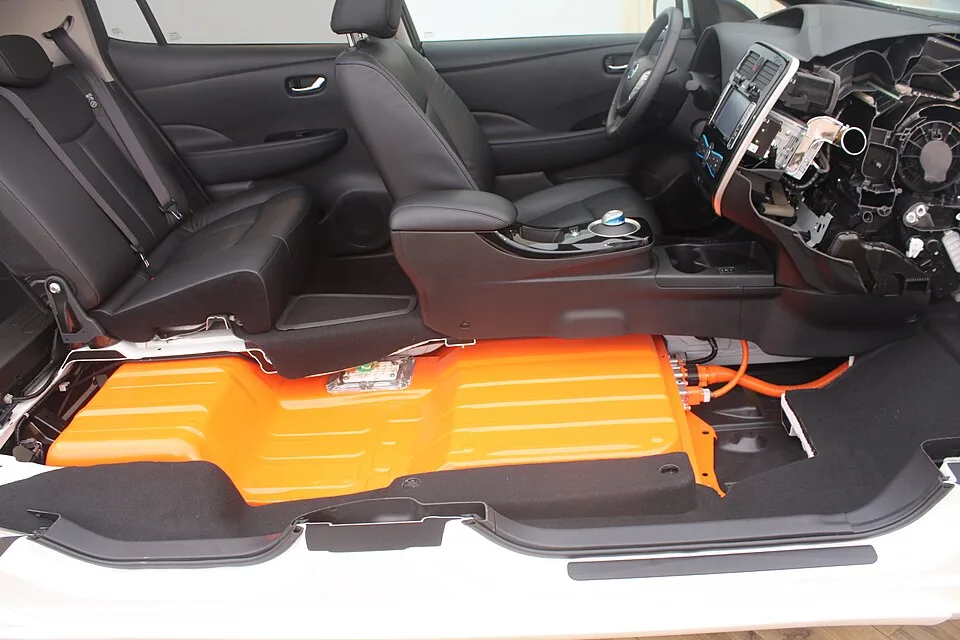
Battery current is used to understand energy moving into and out of an EV or hybrid battery. If that measurement is unreliable, charging information and power-management decisions may also become unreliable. The scan needs to be read in the context of what the vehicle was doing.
Codes covered
P0ABF · P0AC0 · P0AC1 · P0AC2 · P0AC3
P0ABF–P0AC3 concern battery-current sensing channel A, including circuit, range and signal behaviour. They do not directly prove poor battery capacity or identify a damaged battery cell. The measurement path and the battery-management calculations are related but different parts of the system.
Confirm the full description, suffix and reporting module for your vehicle. These are diagnostic starting points, not a parts replacement list.
Evidence that helps narrow the fault
- Record charging state, displayed power and the exact warning together. Note the charger type and whether the complaint also occurs away from a charging session.
- Have current readings assessed for plausibility under known operating states. Sign conventions and parameter names vary between diagnostic tools.
- Keep companion voltage, communication and battery-management codes. A disturbed supply or communication path can complicate the interpretation of a single current value.
Choosing the next repair step
The next diagnostic step should establish whether the current measurement itself is trustworthy. Component replacement should follow that evidence, not a guess based on the displayed range. High-voltage circuit access and battery work belong with appropriately equipped and competent personnel.
Does a negative current reading mean a wiring fault?
Not necessarily. Some displays use a negative sign for charging and others for discharge. Confirm the tool’s convention and the actual operating state before interpreting the sign as a fault.
Talk through the fault with AXION
Send the make, model, year, full scan report and a short description of when the fault happens. Include recent repairs or programming attempts. If you do not have a scan, describe the symptoms in your own words.
For this type of battery-system concern, contact us before arranging an appointment at our Didcot workshop. We will confirm the vehicle, symptoms and assessment scope first. Do not remove or post a traction battery.
Assessment options and appointments · Garage and trade support
Related reading
- Precharge contactor circuit codes and an EV that will not start
- Positive and negative battery contactor codes in an EV or hybrid
Reference for generic code terminology: Snap-on diagnostic code reference. HSE guidance on electric and hybrid vehicle work. This article provides general diagnostic guidance and is not a report of a particular customer repair.